
Knowing how long it takes to collect cash from an invoice makes it easier Bakery Accounting to project cash flow. Although the average DSO varies according to industry and company size, reducing the number of days it takes to collect on an invoice improves cash flow. Data from the different financial systems can be centralized into reports to enable the tracking of and generation of A/R performance. These reports not only help your A/R and finance team gain visibility of the collections team and individual team members, but allows for transparency across all other teams and stakeholders.
Ensure your A/R software suits your needs
- Accounts receivable automation is a powerful tool that can help you optimize your business and collect payments on time.
- Depending on the size of your organization, stage, and complexity of your business, your goals and objectives of automation would be different.
- It also delivers better visibility into A/R performance and removes the risk that a poor decision will be made due to missing data.
- She has a proven track record of developing effective Go-To-Market (GTM) strategies and full-funnel marketing for diverse personas.
- These are just some of the key KPIs to measure the effectiveness of your accounts receivable process.
By implementing these best practices, you can reduce manual effort, minimize errors, and ensure timely payments, all of which are essential for maintaining a healthy cash flow. Whether you are new to AR automation or looking to optimize your existing processes, these tips will provide valuable insights to help you get the most out of your automation tools. When the company’s existing ERP, CRM, and other financial software connects to the accounts receivable software, however, it allows for the most complete picture to be accessed at all times. It also delivers better visibility into A/R performance and removes the risk that a poor decision will be made due to missing data.

Integrate your existing financial systems to access real-time data
- However, your team will still need to understand the needs of the business and address them.
- Make sure your team understands your policies, procedures, and best practices for professional payment collection.
- An aging schedule provides clear visibility into the status of your outstanding invoices.
- With features like automated invoicing and payment reminders, Constant ensures your AR processes are efficient and error-free.
- Knowing how long it takes to collect cash from an invoice makes it easier to project cash flow.
- Consider feedback from customers about what might help them process payments more efficiently.
However, the same process can be made simple and efficient with the help of proper automation. What you need is a reliable integrated billing plus receivables system that can automate your invoice-to-cash process while ensuring you get paid on time. Consider deploying an automated system like Constant which automates repetitive tasks, allowing your team to focus on strategic initiatives. With features like automated invoicing and payment reminders, Constant ensures your AR processes are efficient and error-free.
- Additionally, automated payment reminders can be set up to notify customers of upcoming due dates, further ensuring timely payments.
- Some function more as a general accounting software for a small financial department to manage different functions while others focus specifically on accounts receivable.
- Accounts receivable automation is ultimately a software-enabled process that helps you manage your accounts receivables system more efficiently.
- Use this data to make informed decisions about process improvements and resource allocation.
B2B Customer Retention: Proven Strategies for Finance Teams to Reduce Churn and Drive Loyalty

This not only speeds up the invoicing process but also reduces the chances of errors and disputes. Key performance indicators help you measure the effectiveness of your accounts receivable management and accounts receivable automation identify areas for improvement. Common metrics include days sales outstanding (DSO), collection effectiveness index (CEI), accounts receivable turnover ratio, and bad debt ratio. In the realm of financial management, accounts receivable (AR) automation is becoming increasingly essential for businesses striving for efficiency and accuracy. Automating the AR process not only improves cash flow but also reduces errors and administrative burdens.

Document all customer interactions and payment agreements
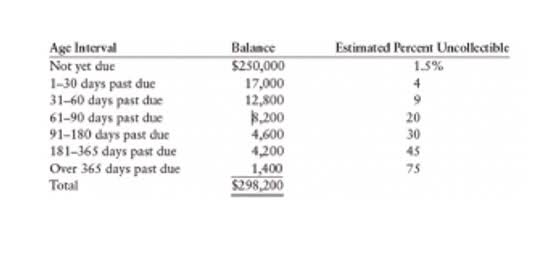
Discover how to do a cash flow retained earnings balance sheet analysis and learn to monitor, forecast, and optimize your cash flow to ensure your business’s financial stability and growth. Regular reconciliation helps identify discrepancies early and ensures your AR records are accurate. This practice prevents small issues from becoming major problems and maintains the integrity of your financial reporting. Calculate the cost-benefit ratio of different discount options and implement those that make financial sense for your business.
Ensure Seamless Integration with Existing Systems
Develop a comprehensive training program that covers all aspects of your AR process, and be sure to schedule regular refreshers and updates as procedures change. Implement a tiered reminder system that sends notifications at strategic intervals—perhaps 7 days before due date, on the due date, and at 15 and 30 days past due. Customize your reminder language to maintain professionalism while escalating urgency appropriately. It is important to clarify them beforehand instead of trying to do too many things in one go or worse, trying to automate every process.